Gold falls to Rs355,200 per tola on global decline
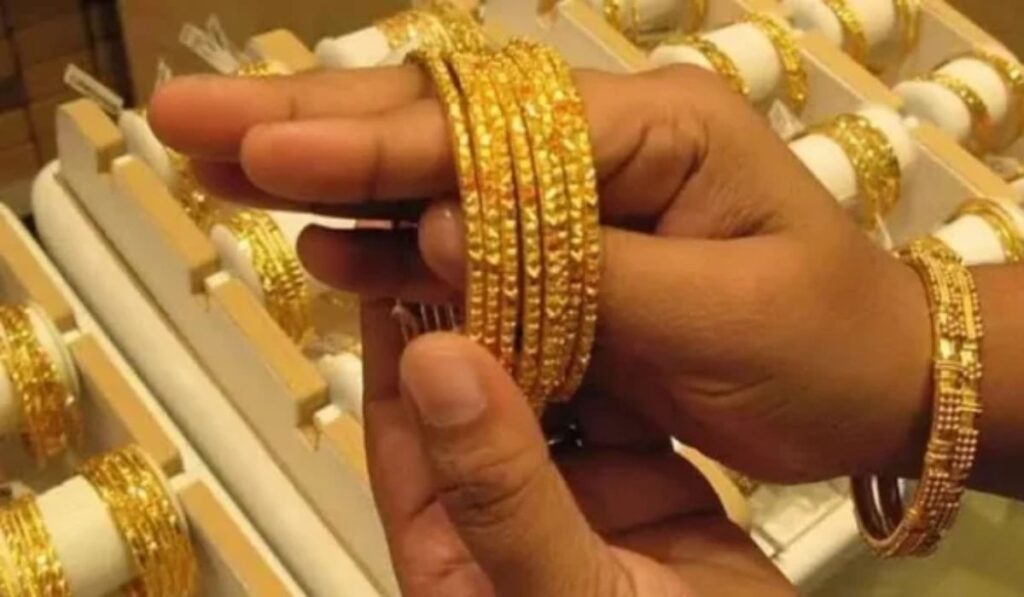
Gold prices in Pakistan slipped for the second straight day, mirroring losses in the international market, with silver also registering a drop.
ISLAMABAD: Gold prices in Pakistan declined on Wednesday, with the rate per tola falling by Rs1,400 to Rs355,200, according to figures released by the All-Pakistan Gems and Jewellers Sarafa Association (APGJSA). The price for 10 grams of gold dropped by Rs1,201 to Rs304,526. The decrease followed Tuesday’s Rs1,100 dip, which had brought the price down to Rs356,600 per tola.
The decline reflects a broader downward trend in global bullion markets. Internationally, gold fell by $14 to $3,325 per ounce, including a $20 premium, as reported by APGJSA. Silver prices also moved lower, with the per tola rate dropping by Rs96 to Rs3,935.
The latest drop underscores the heightened volatility in the precious metals market, which has been sensitive to global monetary policy shifts, investor sentiment, and geopolitical developments. In recent months, gold surged as expectations grew that the US Federal Reserve would hold off on further interest rate hikes due to cooling inflation. However, renewed prospects of monetary tightening, coupled with a stronger global economic outlook, have since weighed on the metal, which is typically seen as a safe-haven asset.
Per Tola Gold Price in Pakistan Drops by Rs5,000
In Pakistan, the pricing of gold is particularly tied to the rupee-dollar exchange rate, international spot prices, and seasonal demand. With the rupee’s fluctuations against the US dollar and changes in import policies, domestic markets often see sharper adjustments. Analysts note that the current dip is partly linked to subdued demand following the end of the wedding season, a period when gold purchases traditionally peak.
Historical data shows similar corrections in gold prices during phases of global monetary tightening. For example, in 2018, when the Federal Reserve accelerated its rate hikes, international gold also slipped, influencing Pakistan’s domestic market. The present decline mirrors that trend, though analysts stress that gold continues to serve as a long-term hedge against inflation and currency depreciation, especially in economies facing instability.
Investors in Pakistan have historically turned to gold as a safeguard during periods of economic uncertainty, such as the 2008 global financial crisis and the COVID-19 pandemic. Despite short-term volatility, the precious metal remains an asset class that retains value during crises. Current softness in prices could therefore present buying opportunities for long-term investors, although timing remains uncertain given the interplay between global central bank policies and local currency pressures.
Market watchers suggest that unless a new geopolitical event or fresh economic trigger emerges, gold may remain under downward pressure in the near term. The outlook for silver follows a similar trajectory, as the metal often tracks gold’s price direction due to overlapping investor demand patterns.
Looking ahead, traders and analysts will closely monitor upcoming central bank meetings, inflation reports, and foreign exchange trends. Any surprise policy move by the Federal Reserve or other major central banks could quickly shift sentiment back in gold’s favor. Until then, the latest correction to Rs355,200 per tola illustrates the delicate balance between optimism in equity and currency markets and the enduring role of gold as a store of value.
The current trajectory reinforces gold’s dual nature: vulnerable to short-term global financial shifts but resilient as a long-term hedge, leaving Pakistan’s buyers and investors navigating yet another phase of uncertainty in the precious metals market.