Fatima Majeed becomes first woman to head Sindh Fisheries
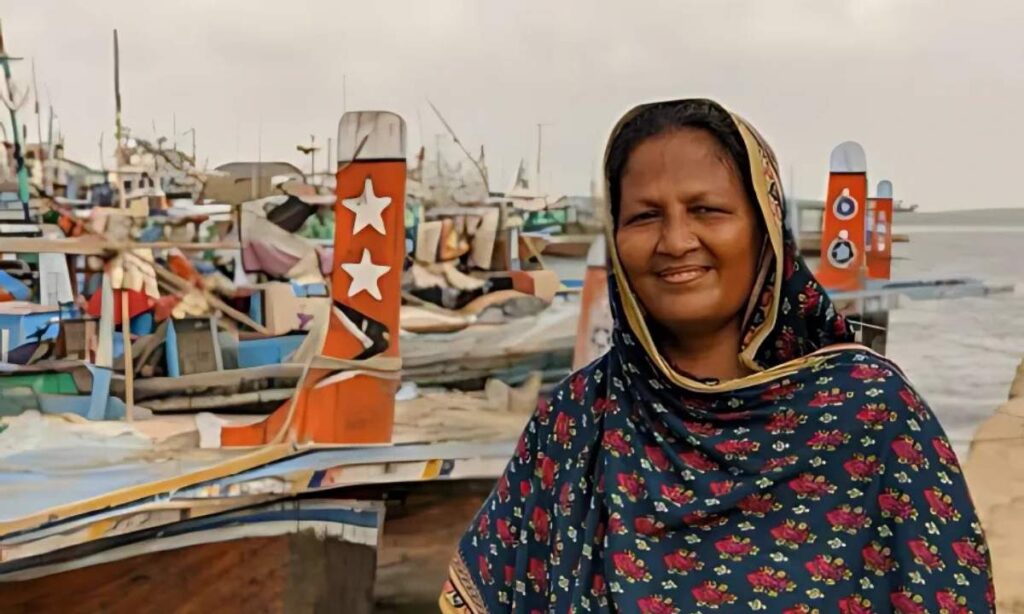
Fatima Majeed has been appointed as chairperson of the Sindh Fisheries, becoming the first woman from a fishing community to lead the provincial sector.
The Sindh government announced the decision on Friday, describing it as a historic milestone in women’s representation within traditionally male-dominated industries. According to the Sindh Information Department, the appointment aligns with Chief Minister Bilawal Bhutto Zardari’s inclusive governance vision and the administration’s broader policy of promoting women’s empowerment across public institutions.China Eyes Solarization of Fisheries Parks
Majeed’s selection is notable not only because she is the first woman to head Sindh Fisheries but also because she comes directly from a fishing community. Sindh’s coastal belt is home to tens of thousands of families dependent on fishing, yet leadership positions in fisheries management have historically been occupied by men with political or bureaucratic backgrounds. Her appointment is being hailed as a step toward integrating grassroots voices into policymaking for the sector.
The Fisheries Department plays a crucial role in managing Sindh’s aquatic resources, regulating marine and inland fisheries, and supporting livelihoods along the Arabian Sea coast. Pakistan’s fisheries sector contributes significantly to exports and food security, yet challenges such as overfishing, inadequate infrastructure, and climate change have strained the industry. With Majeed’s appointment, the government hopes to inject community-driven perspectives into policy reforms while strengthening institutional accountability.
The Sindh government emphasized that the decision was based on merit, highlighting her experience in advocating for fishing communities. Majeed has long been active in campaigns addressing issues such as sustainable fishing practices, the rights of small-scale fisherfolk, and equitable access to resources. Her new leadership role will give her authority to translate grassroots advocacy into policy at the provincial level.
Observers note that the appointment is also symbolically significant within Pakistan’s political landscape. Women’s representation in leadership positions remains limited, particularly in resource management sectors such as agriculture and fisheries. By choosing a woman from within the fishing community itself, the Sindh government is signaling its intent to broaden participation and challenge structural barriers.
Historically, Sindh has been a hub for progressive reforms under successive Pakistan Peoples Party (PPP) governments. During Benazir Bhutto’s tenure, Sindh witnessed efforts to expand women’s participation in governance, including initiatives for rural women’s development. Bilawal Bhutto Zardari has sought to continue that legacy, presenting his government’s policies as both inclusive and reform-oriented. Majeed’s appointment provides a visible example of this approach in practice.
Reactions from civil society and community groups have been largely positive. Advocacy networks representing fisherfolk have welcomed the decision, noting that leadership grounded in lived experience could help bridge long-standing gaps between policymakers and fishing communities. Analysts, however, caution that systemic challenges in the fisheries sector—including regulatory enforcement, infrastructure deficits, and environmental degradation—will test her leadership.
Pakistan’s fisheries contribute about 0.4 percent to the national GDP, according to government statistics, and employ hundreds of thousands of people. Sindh accounts for nearly 70 percent of Pakistan’s marine catch, making the province the backbone of the industry. The sustainability of this sector is therefore both an economic and a social priority. Analysts suggest that stronger leadership could improve export competitiveness while safeguarding local livelihoods threatened by depleting fish stocks.
In recent years, the Sindh Fisheries Department has been criticized for inefficiency and lack of community representation. The inclusion of a woman leader from within the sector could mark a turning point, provided that reforms extend beyond symbolic appointments and are supported with resources, policy continuity, and institutional backing.
Majeed’s appointment is being described by the Sindh government as both a milestone for gender equality and a statement of intent. If successful, it could set a precedent for other provinces to replicate. In closing, the selection of Fatima Majeed as the new chairperson of the Sindh Fisheries reflects the government’s evolving priorities—women’s empowerment, community inclusion, and merit-based governance. For Sindh’s fishing communities, her leadership represents both recognition of their struggles and an opportunity to shape the future of a vital economic sector.