Youth-led Anti-Graft Protests Force Oli Out of Power
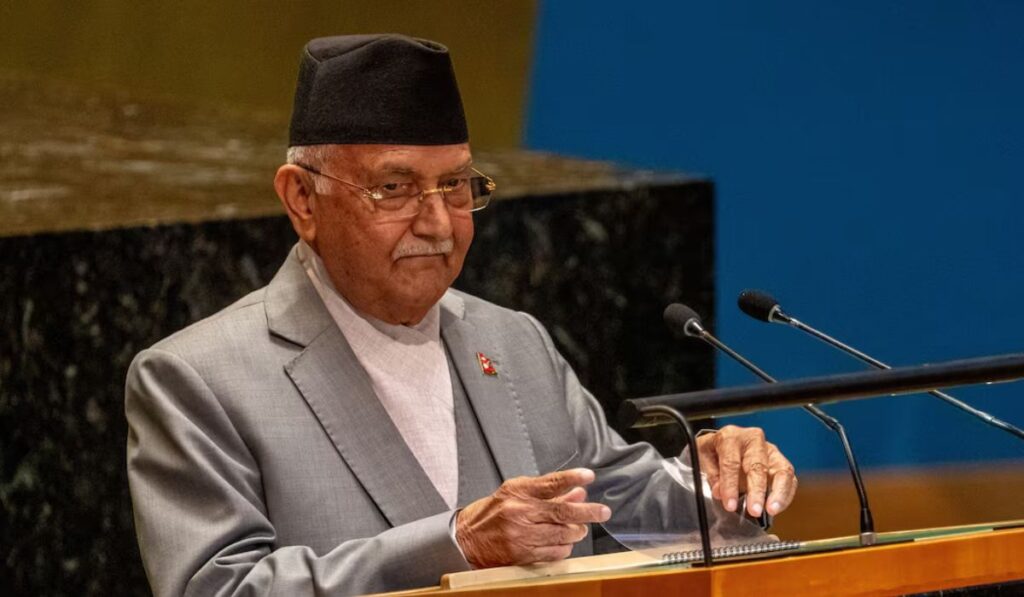
Nepal plunged into political turmoil on Tuesday after Prime Minister K.P. Sharma Oli resigned, bowing to massive anti-corruption protests that defied an indefinite curfew and turned violent.
The unrest, triggered by the government’s controversial social media ban last week, has spiraled into the deadliest political crisis in decades. Nineteen people were killed and more than 100 injured on Monday when police used tear gas and rubber bullets to stop demonstrators from storming parliament. The ban was lifted the same day, but protests only intensified.
In his resignation letter to President Ramchandra Paudel, Oli, 73, said he was stepping down “to help resolve the crisis politically in accordance with the constitution.” The president has begun consultations to appoint a new leader.
Celebrations erupted outside parliament after Oli’s resignation, with jubilant protesters waving flags and chanting slogans. Some sprayed “We won” across government buildings as fires and smoke rose in central Kathmandu.
Read More: Pakistan Orders Urgent Withdrawal of Contaminated Infusion
Witnesses reported government offices and politicians’ homes being attacked, including Oli’s private residence, which was ransacked and set ablaze.
Kathmandu airport was shut down as fires near the runway threatened aircraft safety. Security forces, appearing overwhelmed, refrained from using further force against crowds.
Protest organisers, largely young Nepalis, dubbed the movement “demonstrations by Gen Z.” They accused the government of rampant corruption, highlighting the lavish lifestyles of politicians’ families while ordinary citizens struggled with unemployment and inflation.
Nepal, wedged between India and China, has seen repeated political upheavals since the monarchy was abolished in 2008. Oli was the country’s 14th prime minister in 17 years.