Supreme Court admits Imran Khan’s bail pleas in May 9 cases
CJP questions consistency with earlier rulings, asks prosecutor to justify different treatment
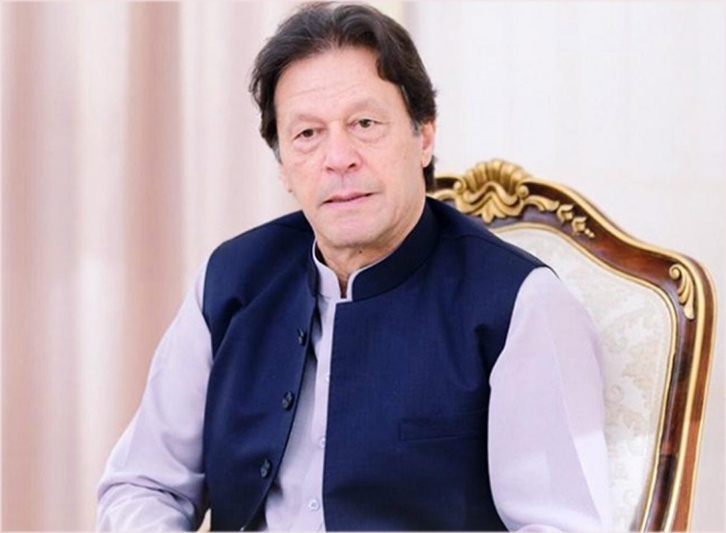
The Supreme Court on Thursday admitted bail petitions filed by former prime minister Imran Khan in eight separate cases linked to the May 9 riots, directing prosecutors to clarify why his circumstances should be treated differently from previous rulings in similar conspiracy cases.
Chief Justice Qazi Faez Isa, leading the bench, opened the hearing by asking Prosecutor Zulfiqar Naqvi two pointed questions: “You must have read the Lahore High Court’s decision. First, can a final finding be given in a bail case? Second, in conspiracy cases, this very Court has granted bail to accused before. Shouldn’t the principle of consistency apply here as well?”
Responding, Naqvi argued that findings in bail proceedings are always interim in nature and do not prejudice the outcome of a trial. He cited Supreme Court rulings spanning 1996 to 2024 to emphasize that observations made during bail hearings cannot be taken as final judgments on facts. “These observations have no effect on trial proceedings,” he maintained.
The Chief Justice, however, stressed that the bench would not permit arguments over central facts of the May 9 cases, as such matters are for the trial courts to determine. “The parties must understand that the court would not allow arguments on the central facts of the case,” Justice Isa remarked.
Supreme Court Schedules Hearings for Two Major Cases
During proceedings, references were made to the so-called cipher case as well as to the bail granted to Pakistan Tehreek-e-Insaf (PTI) leader Ejaz Chaudhry. The Chief Justice noted that the Supreme Court had previously granted bail in a May 9 case involving conspiracy allegations and asked why the same principle should not apply to Imran Khan.
“The Supreme Court had granted bail to Ejaz Chaudhry despite conspiracy charges. Why should the outcome here be different?” Justice Isa asked, calling for clarification on the distinction.
Prosecutor Naqvi replied that the Chaudhry case involved different circumstances from those of Imran Khan. But the Chief Justice pressed further: “You must prove how this case differs from the earlier ones.”
Justice Shafi Siddiqui observed that Chaudhry, too, had faced accusations of being present at the scene and of conspiring, while Justice Hasan Azhar Rizvi inquired whether Chaudhry was actually present during the events of May 9. The prosecutor responded that electronic evidence placed Chaudhry at the scene of the riots.
The May 9 cases stem from widespread protests and attacks on military installations following Khan’s brief arrest last year. Authorities allege that PTI leaders, including Khan, incited violence that led to the ransacking of sensitive sites, while PTI has maintained that the charges are politically motivated.
Imran Khan, who was ousted through a no-confidence motion in April 2022, has faced dozens of cases ranging from corruption to national security violations. His legal troubles have intensified alongside a crackdown on PTI, which has seen many leaders jailed or defect under pressure.
The Supreme Court’s handling of Khan’s bail pleas will carry significant political and legal implications. Granting bail in multiple May 9 cases could ease pressure on the PTI founder ahead of trial, while refusal would reinforce the state’s hard line against him. With earlier precedent—such as the bail granted to Ejaz Chaudhry—already on record, the Court’s insistence on consistency may prove decisive.
The hearing highlighted the Court’s balancing act between judicial consistency and prosecutorial claims of case-by-case differences. While the prosecutor argued for treating Imran Khan’s petitions separately, the bench signaled that precedent cannot be ignored. The matter is now poised for further hearings, with the Court making clear that trial courts remain the forum for determining substantive guilt or innocence.
For Khan, admission of the bail petitions marks a legal opening, though whether it translates into relief depends on how convincingly prosecutors can distinguish his role from that of co-accused leaders who have already secured bail. The ruling, when delivered, is expected to shape not only his legal standing but also the broader trajectory of Pakistan’s ongoing political crisis.