Strait of Hormuz and Threat to Pakistan Energy Supplies

By Aftab Maken
As geopolitical tensions between Iran and Israel escalate, energy price shocks are ahead for Pakistan. The global markets have once again started confronting the vulnerabilities underlying the world’s energy systems.
The Strait of Hormuz lies at the epicenter of this crisis —a narrow but critical chokepoint that is responsible for the transit of nearly one-fifth of global oil and LNG shipments.
The threats of disruption that are looming large, analysts have feared that the outbreak of a broader conflict could send energy markets into turmoil and subsequently, hit the economies of energy-importing nations.
The stakes of Pakistan are particularly high, a country that heavily relies on imported oil and liquefied natural gas (LNG).
Rising international oil prices, supply chain disruptions, and elevated freight and insurance costs are common threats that could pose a serious threat to significantly strain to country’s fragile macroeconomic framework.
As Pakistan is already under an IMF program, maintaining Foreign exchange reserves is another challenge that could erode rapidly. The government has been claiming to control inflation, but during this war crisis, it could likely spike, and the energy sector’s circular debt problem could worsen further due to rising energy prices.
Why the Strait of Hormuz Matters
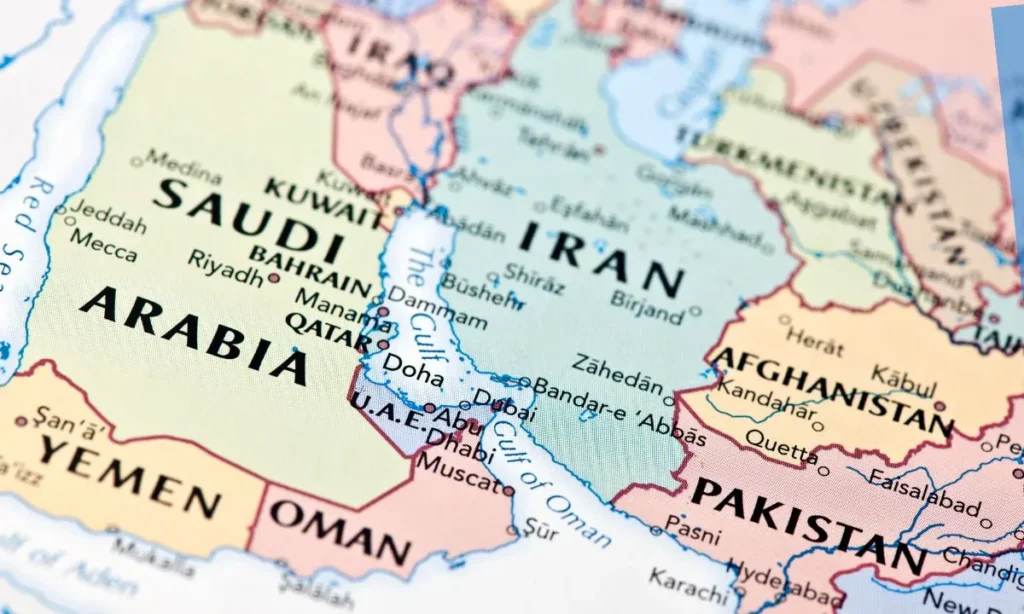
Though the Strait of Hormuz is just 21 miles wide at its narrowest point, it serves as one of the most vital arteries in the global energy trade.
Over 20 million barrels of crude oil pass through this route each day, which accounts for nearly 20% of the world’s oil supply.
Additionally, it is also a source of supplying around 25–30% of global LNG, which makes it critical for both oil-importing and energy-exporting nations at the same time.
This narrow waterway has been connecting the energy-rich Persian Gulf to the Arabian Sea and beyond to serve countries from Japan and South Korea to Pakistan and India.
According to the International Energy Agency (IEA), any major disruption to this passage could result in creating severe supply shocks. Additionally, it could cause a chain reaction across global fuel prices and economic stability.
Fears of Iran retaliating through closure or blockade of the Strait are mounting in recent days due to the conflict between Iran and Israel. It could be via naval assets, sea mines, or proxy attacks, but they have gripped the markets.
Energy analysts and traders have warned that any physical disruption could cause oil prices to rise above $100 per barrel. They further warned that it could trigger inflationary pressure globally. Even the threat of rising oil prices due to disruption was enough to shake the markets of energy-importing countries like Pakistan in the wake of fuel speculative price increases and insurance premiums.Pakistan to Face Higher Oil Price in 2025
The Overlooked Threats to Global Oil Supply
While the global community is giving much attention to the possibility of naval conflict or airstrikes, several indirect but highly disruptive threats are paralyzing the global oil supply chain.
1. Proxy Attacks on Oil Infrastructure
Iran-backed militant groups, such as the Houthis in Yemen or militias in Iraq, were another threat to strike oil installations in Saudi Arabia, the UAE, or Bahrain. There has been the most notable incident of the 2019 drone attack on Saudi Aramco, which had temporarily knocked out 5% of global oil production. These proxy attacks have been bypassing direct conflict, but they are severe in nature to destabilizing energy flows regionally.
2. Cyberwarfare
Cyberattacks on oil export terminals, port logistics systems, and refineries were another low-profile threat but could pose a serious risk to the global energy supply chain. Ports like Fujairah, Jebel Ali, and critical UAE refineries have been digital infrastructure hubs that were vulnerable to hacking. Such attacks could result in freezing operations for days and subsequently, in massive delays in oil and LNG shipments.
3. Tanker Insurance and Freight Costs
Increased conflict risks could lead insurers to impose a “war premium” on vessels that are passing through the strait. According to Bloomberg, such costs have hiked by $200,000 to $500,000 per voyage in past conflict episodes, which added significant cost to each barrel of oil.
4. Rerouting and Shipping Delays
If the Strait becomes unsafe, it could result in rerouting oil tankers via the Cape of Good Hope, resulting in 15–20 more days to the journey. This could not only delay energy supplies but would effectively reduce available global capacity in the short term.
5. Refinery Feedstock Issues
Most Gulf crude contains high sulfur content and is in line with specific refinery configurations in Asia and Europe. A sudden disruption could result in forcing these refineries to either shut down or reconfigure for other crude grades. This may be an expensive and time-consuming process of refining crude.
6. Weak Global Strategic Reserves
The U.S. Strategic Petroleum Reserve has been at a 40-year low with just around 347 million barrels. Meanwhile, Asian nations have limited storage to absorb extended supply disruptions. According to the U.S. Energy Information Administration, this makes global markets highly vulnerable to prolonged energy shocks.
Oil Market Response and Price Volatility

Oil markets have already been jittery as Brent crude went up by over 7% in a single week in the wake of the war escalation between Iran and Israel. It touched close to $80 per barrel. Analysts have warned that a sustained disruption could cause price hikes above $100–120 per barrel to add further pressure on energy-importing countries.
This surge also included a built-in risk premium of 15–20% that traders charge while evaluating geopolitical hotspots. According to Reuters, such spikes do not affect only oil, but they also affect LNG and downstream petroleum product contracts like diesel and gasoline.
Hedge funds and speculative trading further amplify volatility. These market dynamics cause price swings even without any tangible disruption as they create uncertainty for governments, consumers, and industries alike.
For Pakistan, which has been operating on thin fiscal margins and is highly dependent on energy imports, such fluctuations could directly result in macroeconomic instability.
Historical Lessons: Oil Shocks From Middle East Conflicts
Oil shocks, which result from Middle East conflicts, have not been unprecedented. Several historical crises have demonstrated that regional wars or political upheavals have resulted in massive price increases and economic shocks across the world:
1973 Yom Kippur War & OPEC Embargo
In retaliation for U.S. support of Israel, Arab OPEC members slapped an oil embargo, which resulted in oil prices surging from $3 to $12 per barrel. It initiated a decade of stagflation in the West. IEA’s timeline shows how this geopolitical act has changed global energy policy permanently.
1979 Iranian Revolution & Iran–Iraq War
The overthrow of the Shah and the outbreak of war between Iran and Iraq had also caused serious oil price shocks due to the slashing of Iranian oil output. Crude prices had surged massively from $14 to over $40 per barrel within months, which triggered a second energy crisis.
1990–91 Gulf War
Saddam Hussein’s invasion of Kuwait was another historical event that removed around 4 million barrels per day from global markets. It resulted in oil prices surging from $17 to $46 per barrel. The National had outlined how it had posed an immense impact on energy security and U.S. strategic policies.
2003 Iraq War
Even before the invasion, speculation over a U.S. war had gripped the market, causing oil prices to surge from $30 to over $36/barrel, according to CNN archives.
Each of these episodes has shown a recurring pattern, indicating that oil prices have been highly sensitive to Middle East geopolitics, and import-dependent countries like Pakistan have been most vulnerable to these oil price shocks.
Implications for Pakistan’s Energy Security
1. High Dependence on Imported Fuels
Pakistan has been importing over 137,000 barrels of crude oil daily. It has also LNG contracts—especially from Qatar, which are the backbone of its energy needs. In FY2024, oil imports stood at over $5.1 billion, which made the country highly susceptible to global price hikes.
2. Rising Import Bills and Fiscal Strain
According to reports, a mere $10–15 increase in per-barrel prices could inflate Pakistan’s import bill by $120–160 million per annum. This can result in adding the current account deficit and wiping out foreign reserves, which have already been under pressure from debt repayments.
3. Inflationary Impact
Petroleum products have been forming the base cost for electricity and transport. Rising prices have been directly fueling CPI inflation, which forces the government to increase energy subsidies. These subsidies have already in excess of Rs 1 trillion, putting pressure on the fiscal deficit.
4. Power Shortages
Around 35% of Pakistan’s power generation has been dependent on natural gas. LNG shipments delays or cost hikes could result in worsening load-shedding, especially during peak demand months of summer, to put the political agenda of the government at serious risk.
5. Worsening Circular Debt
Energy costs have been driving up capacity payments to Independent Power Producers (IPPs), which amount to Rs 2.5 to Rs 2.8 trillion every year. They have also been contributing to circular debt.
What Pakistan Must Do: Policy Recommendations
To mitigate the impact of external energy shocks, Pakistan should have adopted a multi-pronged energy security strategy to ensure energy security.
But the governments in Pakistan have not learnt any lesson from past conflicts in the Middle East that had resulted in oil price shocks. So, the time has come again, which poses a serious threat to Pakistan’s energy security.
Even during the reduction in oil prices in the global market, India and China have been importing oil in bulk to store cheaper oil. But Pakistan was the only country in this region that had missed this opportunity due to a lack of oil storage.
At present, it does not have enough storage to store oil as reserves in case of emergencies.
Pakistan should have worked to reduce its over-reliance on Gulf oil by diversifying imports from Russia, Central Asia, Nigeria, and Malaysia. Pakistan has been exploring Russia and Azerbaijan, but has not been able to make sufficient arrangements to import oil.
Pakistan has passed a decade but has not been able to start work on the Gwadar–Kashgar pipeline, proposed refinery projects, and new LNG terminals. These projects could provide alternate import routes, bypassing maritime chokepoints.
The government should shift from blanket subsidies to targeted relief through platforms like Ehsaas and BISP. They will ensure only the vulnerable benefit.
Pakistan must also focus on solar, wind, and hydro projects to reduce long-term dependency on imported fuels. But here is the reverse case. The government has started working on choking net solar projects that could reduce dependency on imported fuel, subsidies, and even circular debt.
The Strait of Hormuz’s threat is not just a regional flashpoint; but it has been a global energy crisis in the making. There could not only be price shocks for countries like Pakistan, but it could result in rising inflation, depleting foreign reserves, energy availability issues, and even national security.
The writer is a seasoned Journalist and has worked for different leading media outlets. You can follow him on Twitter.🔗 You can visit NewzTodays. for more energy insights and consumer guides.