PTA denies claims of Jazz overcharging subscribers
Telecom regulator says all Jazz tariffs were approved and compliant with regulatory framework.
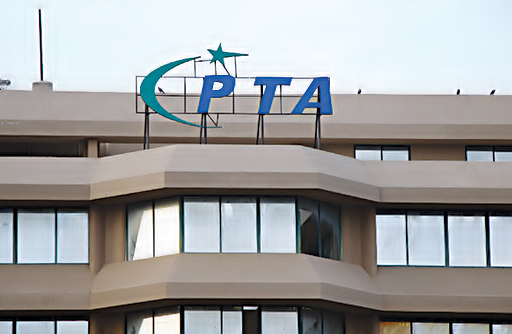
Islamabad’s telecom regulator has dismissed claims that Jazz, Pakistan’s largest mobile operator, overcharged its subscribers during the 2023–24 financial year. The Pakistan Telecommunication Authority (PTA) on Friday clarified that all tariff adjustments by the company were duly approved under its regulatory framework and no unauthorized billing took place.
The clarification comes after reports citing the Auditor General of Pakistan’s findings began circulating on social media, suggesting that Jazz imposed tariffs beyond PTA’s sanctioned rates. The claims sparked consumer concerns about possible overbilling in an already strained telecom market, where rising costs and shifting regulatory policies have fueled debate over service affordability.
In its official statement, the PTA said that “no such overcharging has taken place” and that the tariff changes referenced in the audit had been vetted through the Authority’s standard approval process. The regulator added that all relevant documentation supporting the approvals had been shared with audit authorities for verification, countering speculation that operators acted without oversight.
PTA Partners with Opensignal to Strengthen Network Quality Monitoring Across Pakistan
The telecom sector in Pakistan operates under a strict regulatory framework that requires mobile operators to seek prior approval before making any tariff changes. PTA maintains continuous oversight of these structures to ensure consumer protection and market transparency. In recent years, the regulator has frequently intervened to block unapproved charges, adjust pricing structures, and align tariffs with cost benchmarks.
Jazz, which serves more than 70 million subscribers nationwide, has in the past faced scrutiny over service quality and pricing amid growing competition and financial pressure within the industry. However, today’s clarification by PTA indicates that the audit observations were procedural rather than evidence of malpractice. Industry experts note that discrepancies often arise in audit reviews due to timing differences between approvals and billing cycles, leading to misinterpretation of data without suggesting wrongdoing.
Pakistan’s telecom industry has been under significant financial stress in recent years, with rising spectrum costs, heavy taxation, and currency depreciation eroding margins. Operators, including Jazz, Telenor, and Zong, have repeatedly called on the government to ease tax burdens and revise policy frameworks to ensure sustainability. In this context, consumer sensitivity to tariff changes has increased, making regulatory communication crucial to maintaining trust.
The PTA emphasized its role in safeguarding consumer interests, underscoring that it monitors all operators for compliance and takes action against any unfair commercial practices. By directly addressing the overcharging rumors, the regulator aimed to restore public confidence and reaffirm its oversight role at a time when telecom affordability remains a pressing concern for millions of Pakistanis.
Telecom analysts say the clarification could help stabilize market sentiment, preventing unnecessary backlash against Jazz and the sector at large. They also highlight the need for clearer communication between regulators, operators, and auditors to avoid misinterpretations that could erode public trust.
As Pakistan’s digital economy grows, mobile connectivity is increasingly tied to critical services including mobile banking, e-commerce, and digital education. With consumer reliance on mobile networks expanding, the credibility of regulatory assurances such as PTA’s denial of overcharging remains central to the sector’s stability.
PTA concluded its statement by reaffirming its “commitment to a fair, transparent telecom ecosystem” and its resolve to maintain strict checks on operators’ tariff structures. The regulator’s stance suggests that while audit reviews remain an essential tool for financial accountability, they do not necessarily imply malpractice without supporting evidence.
With this clarification, the PTA has sought to put to rest concerns about Jazz’s pricing practices. But the broader debate over telecom costs, taxation, and service quality in Pakistan remains unresolved, underscoring the sector’s continuing policy and financial challenges.