Pakistan’s govt debt rises to Rs80.5trn in June 2025
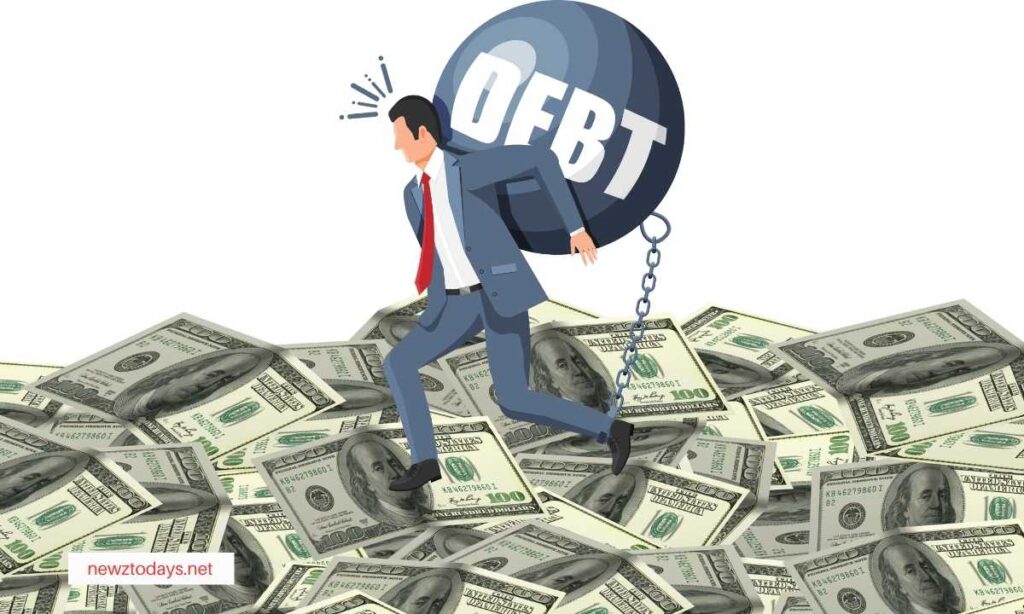
Debt-to-GDP ratio climbs to 70.4% as external and IMF liabilities expand
Pakistan’s central government debt rose to Rs80.52 trillion in June 2025, up 2.7% month-on-month and 13% year-on-year, according to data released by the State Bank of Pakistan (SBP) and compiled by Optimus Research. The debt now stands at 70.4% of GDP, compared with 67.5% a year earlier.
Domestic debt remained the largest component, increasing to Rs54.47 trillion in June from Rs53.46 trillion in May, marking a 1.9% monthly rise and a 15.5% jump since June 2024. External debt stood at Rs23.42 trillion, up 1.9% from the previous month and 7.6% year-on-year. Liabilities to the International Monetary Fund (IMF) also grew sharply, climbing 10.8% month-on-month to Rs2.63 trillion, reflecting disbursements under the Fund’s ongoing stabilization program.Streamline Your Finances with Military Debt Consolidation
The rise in government debt coincided with a weaker rupee, as the PKR/USD exchange rate depreciated to 283.7 in June compared to 278.4 in June 2024. Analysts note that currency depreciation has a direct impact on the rupee value of external debt, further burdening public finances.

Breakdown of domestic borrowing showed mixed trends across instruments. Pakistan Investment Bonds (PIBs) stood at Rs35.02 trillion, slightly down 0.6% from May but 24.9% higher year-on-year, reflecting strong reliance on long-term funding. Market Treasury Bills (MTBs) decreased to Rs8.64 trillion from Rs8.85 trillion in May, a 2.3% decline, suggesting reduced short-term borrowing.
Government Ijara Sukuk, particularly three- and five-year maturities, rose to Rs6.19 trillion, up 3.1% month-on-month and nearly 30% compared with June 2024. Saving Schemes, net of prize bonds, increased modestly to Rs2.94 trillion, while outstanding prize bonds were recorded at Rs407 billion.
Other notable liabilities included Rs475 billion in borrowings from the State Bank’s on-lending against Special Drawing Rights (SDRs) and Rs806 billion classified under “Others,” which more than doubled from the previous month.
The debt trajectory highlights Pakistan’s continued reliance on domestic borrowing to bridge fiscal deficits while external liabilities expand due to IMF inflows and exchange rate pressures. Economists warn that with debt servicing consuming over half of federal revenues, sustainability remains a critical challenge.
Compared with June 2024, when total debt stood at Rs71.25 trillion, the government has added more than Rs9 trillion in just one year. The fiscal year-to-date increase of 13% underscores persistent fiscal stress despite revenue measures under the IMF program.
Historically, Pakistan’s debt-to-GDP ratio has remained under pressure. In 2018, the ratio was around 72%, falling to 67% in 2021 on the back of higher nominal GDP growth. However, the current rebound to over 70% reflects both slower economic expansion and elevated borrowing needs.
Experts also point to a shift in the borrowing profile, with heavier reliance on PIBs and Sukuk indicating an attempt to extend maturities and reduce rollover risks. However, short-term pressures persist as external repayments remain substantial, particularly in FY26, when Pakistan faces significant bond maturities.
The IMF’s latest staff review has emphasized the need for Pakistan to strengthen primary balances and enhance domestic revenue mobilization to stabilize the debt trajectory. Without structural reforms in taxation and expenditure rationalization, analysts say the government may be forced to continue high-cost borrowing, exacerbating debt sustainability concerns.
Despite the challenging outlook, some analysts note that the rise in long-term borrowing instruments could provide fiscal breathing space, provided interest rates ease in the coming quarters. However, with inflationary pressures and a volatile rupee, debt servicing costs are expected to remain elevated.
Pakistan’s central government debt now stands at Rs80.52 trillion, underscoring the scale of the fiscal challenge ahead. As the country prepares its medium-term budget strategy, balancing between domestic resource mobilization and external financing commitments will remain critical to avoiding further escalation in the debt-to-GDP ratio.