Pakistan unveils EV policy targeting 30% sales by 2030
Govt to impose levy on fuel vehicles, launch Rs122bn subsidy plan
The government has announced the New Energy Vehicle Policy 2025-30, setting an ambitious target to raise electric vehicle (EV) sales by 30 percent by the end of the decade in a bid to cut fuel imports and curb environmental damage.
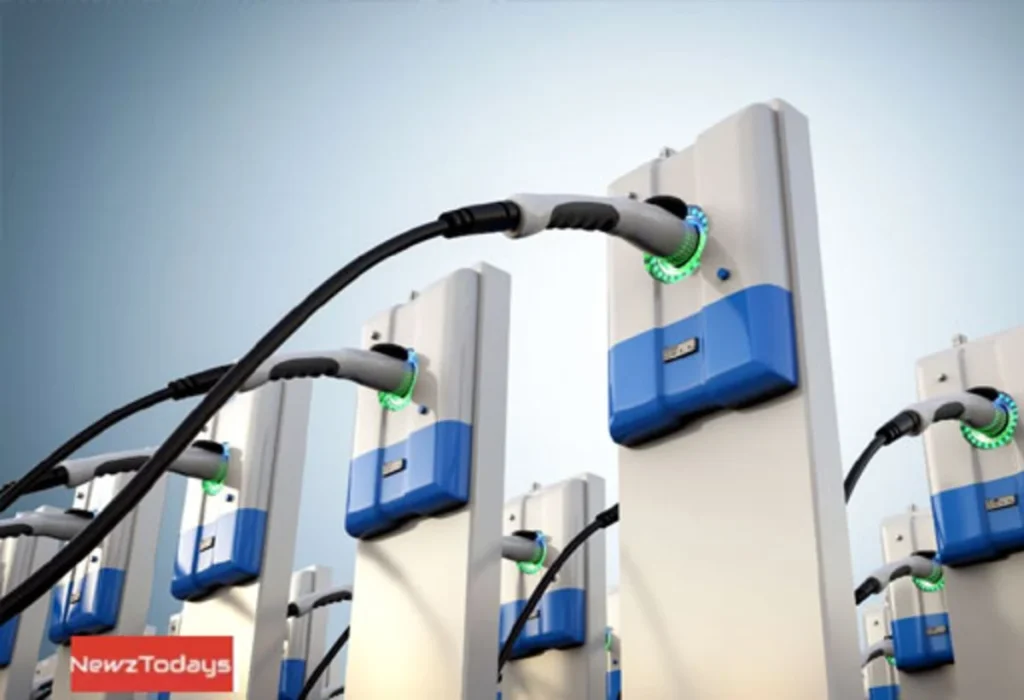
Under the framework, three to four charging stations will be established nationwide, with gaps in funding covered through budget allocations and special levies. To accelerate adoption, officials confirmed that a Rs122 billion subsidy scheme will be rolled out, including Rs9 billion allocated in the current fiscal year.
A central feature of the policy is the New Energy Vehicles Adoption Levy Act, to be enforced through the Finance Bill 2025. It will impose a levy of one to three percent on conventional petrol and diesel vehicles, with revenues directed toward financing EV incentives and infrastructure. Over the next five years, the government aims to deploy 116,000 electric motorcycles, 3,170 electric rickshaws, and a fleet of electric loaders to support both personal and commercial transport needs.
Officials said the strategy prioritizes EVs over petrol and diesel alternatives, aiming to simultaneously reduce Pakistan’s oil import bill and improve air quality. The policy emphasizes strict compliance with safety, quality, and environmental standards to build consumer trust and ensure long-term sustainability.
Pakistan Launches National EV Policy 2025–30
According to the Ministry of Finance, the initiative is also designed to help Pakistan meet its international climate commitments under the Paris Agreement. Provincial governments will play a role in implementation, while a federal monitoring framework is being developed to accelerate adoption. The policy is expected to make use of Pakistan’s surplus power generation capacity, much of which remains underutilized due to low demand growth.
Experts say the plan aligns Pakistan with global EV trends. China has pledged that most of its vehicles will be electric or hybrid by 2035, while the European Union is moving toward phasing out fossil-fuel cars entirely. Pakistan introduced its first EV policy in 2019, but uptake was slow, hindered by infrastructure bottlenecks, weak enforcement, and resistance from industry stakeholders. The new framework seeks to correct those gaps by offering stronger financial incentives and clearer regulatory backing.
Industry analysts argue that if implemented effectively, the policy could create opportunities for domestic manufacturing, spur investment in battery technology, and expand the local automotive supply chain. At the same time, critics caution that unless charging stations are rolled out quickly and technology transfer agreements are secured, the policy risks stalling like earlier initiatives. “Without visible progress on infrastructure and local production, consumer confidence will remain low,” one energy sector expert noted.
Despite these concerns, government officials remain confident that the New Energy Vehicle Policy 2025-30 will deliver multiple dividends—boosting economic growth, reducing Pakistan’s dependence on imported fuel, and positioning the country as a more active player in global climate action.
The policy comes at a time when urban air pollution and rising oil prices have increased public pressure for alternatives. If successful, Pakistan could witness a transformation in its transport sector within the next five years, with EVs becoming a mainstream option rather than a niche product.
In closing, policymakers reiterated that the ultimate success of the policy will depend on consistent execution, industry cooperation, and consumer uptake. Still, they maintain that the strategy offers a realistic pathway for Pakistan to cut costs, modernize its transport system, and meet its environmental obligations.