Pakistan Plans Sugar Sector Deregulation Amid IMF Deal
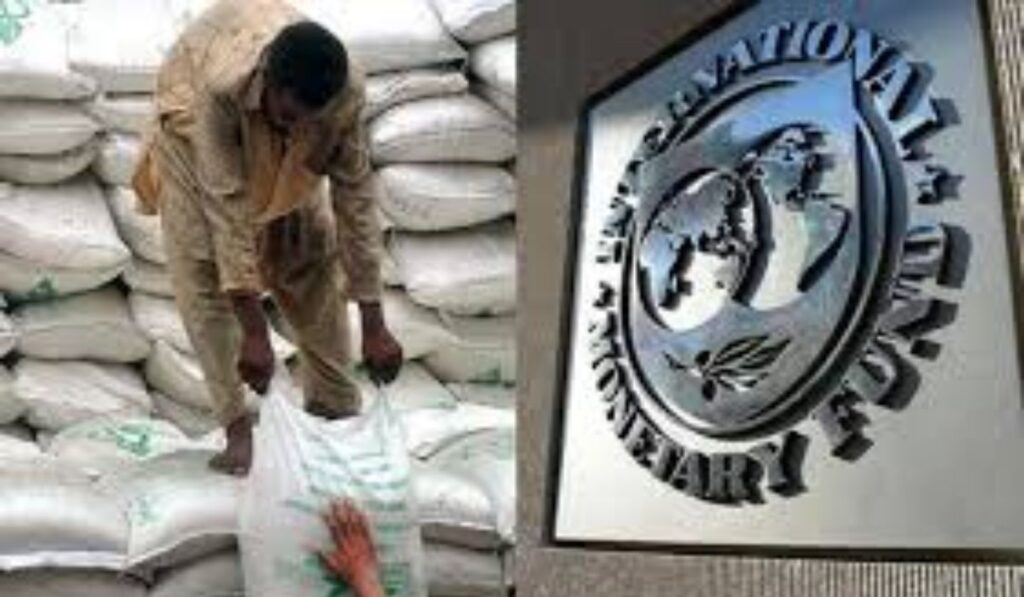
The federal government of Pakistan has decided to withdraw from direct involvement in the sugar market as part of its commitments to the International Monetary Fund (IMF).
Officials from the Ministry of Industries and Production revealed that a final proposal has been prepared to deregulate the sugar sector. Under the new policy, the government will no longer control pricing, procurement, or distribution.
Instead, it will maintain a buffer stock of 500,000 tonnes—roughly equal to one month’s national consumption—through the Trading Corporation of Pakistan (TCP).
The deregulation plan, developed after consultation with industry stakeholders, is expected to be submitted to the Prime Minister for approval next week. Private companies will now be responsible for all sugar trade and market operations.
In response to possible fluctuations in sugar prices, the government is considering an increase in the subsidy allocation under the Benazir Income Support Programme (BISP) to protect low-income consumers.
The plan also suggests that surplus sugar production should be exported to help stabilise domestic prices and boost returns for sugarcane farmers.
Government estimates indicate that increasing mill efficiency from 50 to 70 percent capacity could result in an additional 2.5 million tonnes of sugar output. If exported, this excess could potentially bring in up to $1.5 billion in foreign exchange.
The move follows IMF objections to Pakistan’s earlier decision to provide tax exemptions and subsidies on imported sugar. The international lender had warned that such policies might jeopardise the $7 billion loan programme.
A proposed subsidy of Rs55 per kg on imported sugar was also rejected, with the IMF disputing the government’s claim that the imports were needed due to a food emergency.