NEPRA reviews WAPDA bid to raise hydropower tariff to Rs5.68
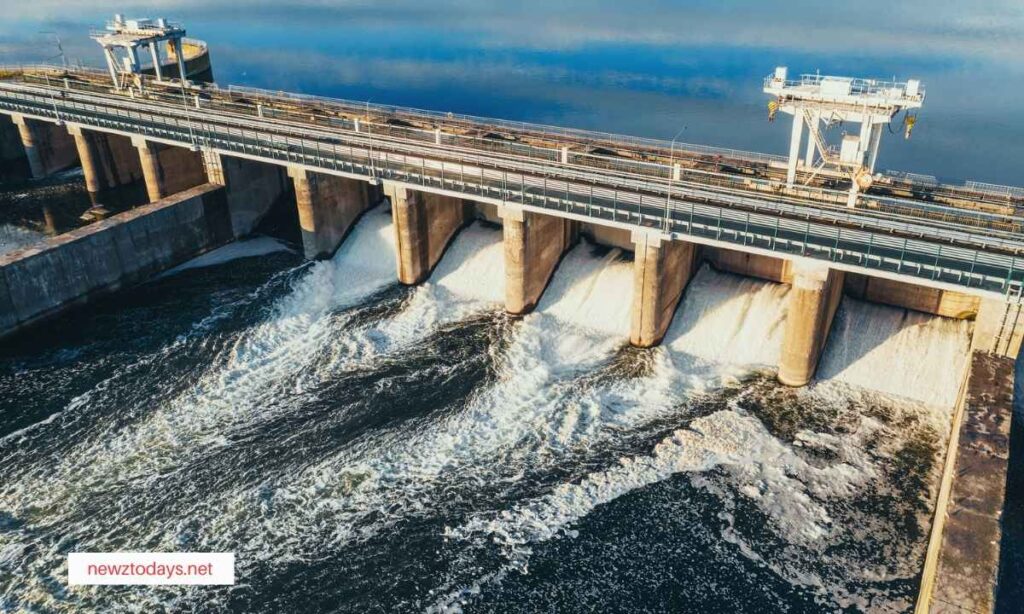
WAPDA has sought a Rs2.57 per unit increase in its average hydropower tariff for 2025-26, raising concerns over power costs amid economic strain.
The National Electric Power Regulatory Authority (NEPRA) on Thursday concluded a public hearing on the Water and Power Development Authority’s (WAPDA) request to raise its average base tariff from the current Rs3.11 per unit to Rs5.68 per unit for the fiscal year 2025-26. The increase, if approved, would reflect an additional Rs2.57 per unit, significantly raising the cost of hydropower in Pakistan’s energy mix.
The hearing, chaired by NEPRA Member for Khyber Pakhtunkhwa Maqsood Anwar Khan, featured tough questioning from NEPRA’s Technical Member Rafiq Shaikh, who challenged WAPDA’s performance record. “Name a single project that has met its generation targets,” Shaikh asked, pressing officials to justify the steep tariff hike. WAPDA officials responded that performance should be viewed in terms of cumulative contribution rather than individual project outcomes, emphasizing the role of hydropower in providing reliable, low-cost electricity.NA body Concerned over Hefty Electricity Bills
In its petition, WAPDA has requested Rs364 billion for the next fiscal year, of which Rs99 billion is earmarked for debt servicing on ongoing projects. A major component of the request includes a proposal to raise employee salaries by 100 percent over three years, requiring more than Rs15 billion annually compared with Rs7.41 billion at present. Officials also argued that security concerns in certain areas have hampered operations, leading to the shutdown of some projects.
NEPRA’s technical members, however, expressed frustration over WAPDA’s stance. “We would have praised you had you proposed a tariff cut instead of an increase,” Shaikh remarked, highlighting the growing consumer backlash against persistent power price hikes.
WAPDA officials countered that the authority plays a dual role in energy and water security, noting that stronger water reservoir capacity could have reduced the impact of floods in recent years. They maintained that hydropower remains Pakistan’s cheapest and cleanest energy source, but acknowledged the financial pressures from debt obligations and rising costs of operation.
The tariff request comes at a time when Pakistan is grappling with one of its most challenging economic periods in decades, marked by double-digit inflation, repeated power tariff adjustments, and rising costs of imported fuel. Consumers and businesses alike have protested frequent hikes in electricity bills, while industry leaders warn that further increases could undermine competitiveness and push more firms toward closure.
Pakistan’s energy sector has long struggled with circular debt, which now exceeds Rs2.6 trillion, largely due to inefficiencies, transmission losses, and a reliance on costly imported fuels. Hydropower, though historically considered the backbone of Pakistan’s power mix, accounts for about one-third of generation but has faced delays in capacity expansion. Flagship projects such as Dasu and Diamer-Bhasha remain under construction, while earlier projects like Neelum-Jhelum have underperformed against initial targets.
For decades, hydropower was seen as Pakistan’s cheapest source of electricity, with tariffs well below thermal generation. However, growing debt burdens, rehabilitation costs of aging dams, and financing of mega projects have pushed WAPDA to seek higher tariffs. The proposed Rs5.68 per unit tariff, if approved, would be the highest average base hydropower tariff in the country’s history.
Consumer advocacy groups have already voiced concern, warning that the proposed increase will inevitably be passed on to the public. Analysts note that while hydropower remains cheaper than imported fuel-based generation, the timing of the tariff hike amid rising living costs could deepen discontent.
NEPRA is expected to issue its decision in the coming weeks after reviewing WAPDA’s financial data and technical justifications. The outcome will have major implications not only for household electricity bills but also for industrial energy costs, agricultural productivity, and the broader economic recovery.
If the hike is approved, WAPDA will gain fiscal breathing space to meet debt repayments and operational expenses, but at the cost of further strain on consumers. If rejected or reduced, the authority may face challenges in financing ongoing projects and paying back international loans tied to strategic hydropower developments.
The debate reflects Pakistan’s broader energy dilemma: balancing financial sustainability of state-owned utilities with affordability for consumers already struggling under a fragile economy. The final tariff determination will serve as a critical test of how NEPRA weighs these competing priorities.