Mari fields add 1 TCF gas as Pakistan reserves rise 4.6%
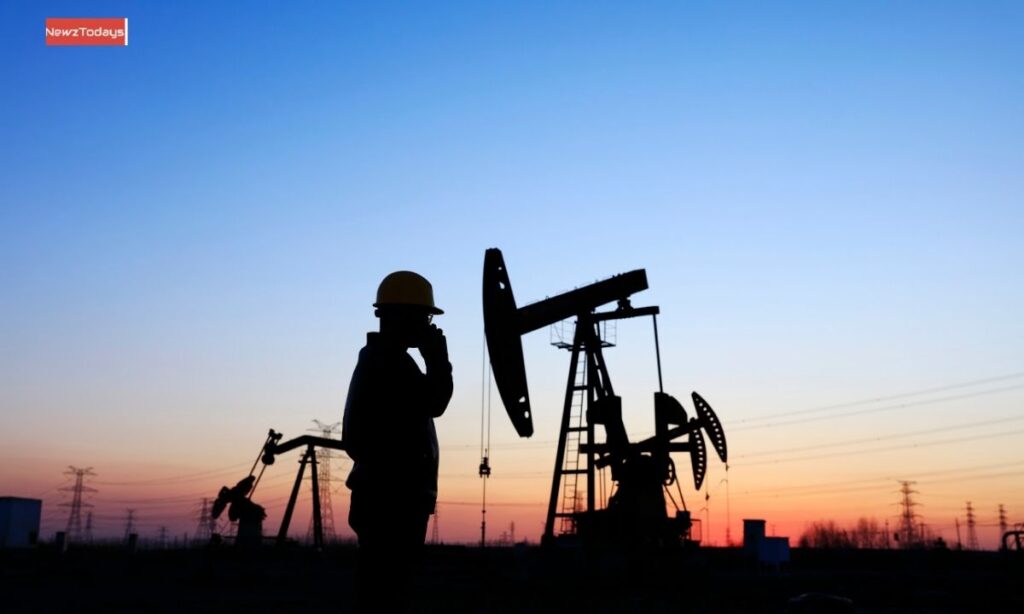
Pakistan’s gas reserves rose to 18,981 BCF by mid-2025, with Mari-operated discoveries driving a 4.6% increase and boosting reserve life to 18 years.
Pakistan’s balance recoverable gas reserves increased by 4.6% to 18,981 billion cubic feet (BCF) as of June 2025, up from 18,142 BCF at the end of December 2024, according to official data released on September 1. The surge was primarily driven by Mari Petroleum Company Limited’s operated fields, which contributed nearly one trillion cubic feet (TCF) of gas additions in just six months.Mari Reports 42% Decline in Earnings
Mari’s exploration and development successes added a total of 996 BCF to the national reserves. Notable new discoveries included the Soho field, which contributed 125 BCF, and Spinwam, which added 92 BCF. In addition, upward revisions in existing fields such as Mari Deep, HRL, Shewa and Ghazij added another 773 BCF. With these revisions, Mari’s reserve life has increased to 18 years, strengthening its position as one of Pakistan’s most critical suppliers of domestic gas.
Other exploration companies also reported successful finds during the period. Oil and Gas Development Company (OGDC) added 125 BCF through its Soghri North discovery, while MOL Pakistan’s Razgir field contributed 57 BCF. These incremental volumes, though smaller in scale, reflect the broader trend of continued investment in Pakistan’s upstream sector despite persistent energy challenges and declining legacy reserves.
Total gas production over the six-month period was recorded at 621 BCF. The reserve additions imply a reserve replacement ratio of 2.35 times, meaning the country discovered more than double the amount of gas it produced. This ratio is considered healthy by industry standards, as it ensures sustainability of supply in the medium term.
Pakistan’s oil reserves also posted a modest gain, rising nearly 1% to 240 million barrels. The increase was primarily led by Shewa field, which added 2.27 million barrels, and Pindori field, which contributed 2.17 million barrels. Although oil additions remain relatively limited compared to gas, they provide some relief at a time when the country continues to rely heavily on imported crude and refined products.
Industry analysts note that Mari’s contribution stands out given its historical role as a steady producer rather than a company associated with frequent large-scale discoveries. The near-1 TCF addition in a short span is expected to enhance Mari’s profile within Pakistan’s energy mix, potentially influencing future gas pricing negotiations and supply allocations. The company already plays a central role in supplying fertilizer plants, which consume a significant portion of domestic gas.
The revisions and discoveries come at a time when Pakistan is grappling with rising energy import bills, currency depreciation, and an urgent need to boost domestic output to reduce reliance on liquefied natural gas (LNG). Despite the progress, sector observers caution that Pakistan still faces a long-term structural gas deficit, with demand growth expected to outpace supply even with these new reserves.
Historically, Pakistan’s gas reserve base has been under pressure, with annual declines outpacing discoveries since the early 2010s. The latest figures represent one of the stronger half-year additions in recent memory, signaling a positive shift, though sustainability remains uncertain without continued investment.
Ownership of the fields with revised or added reserves is spread across Mari Petroleum, OGDC, and MOL Pakistan, among others, reflecting a multi-operator contribution to the national reserves. However, Mari’s near-dominant role in this update underscores its strategic importance, particularly as its reserve life extension to 18 years provides long-term visibility for domestic supply.
In conclusion, Pakistan’s gas reserves stood at 18,981 BCF as of mid-2025, marking a 4.6% rise driven largely by Mari-operated fields. With a reserve replacement ratio of 2.35x and modest oil reserve gains, the country has temporarily improved its energy outlook. Still, policymakers and industry leaders face the challenge of sustaining this momentum amid structural demand pressures and the ongoing transition toward a more balanced energy mix.