Heavy rains leave Karachi’s daily wage earners without work
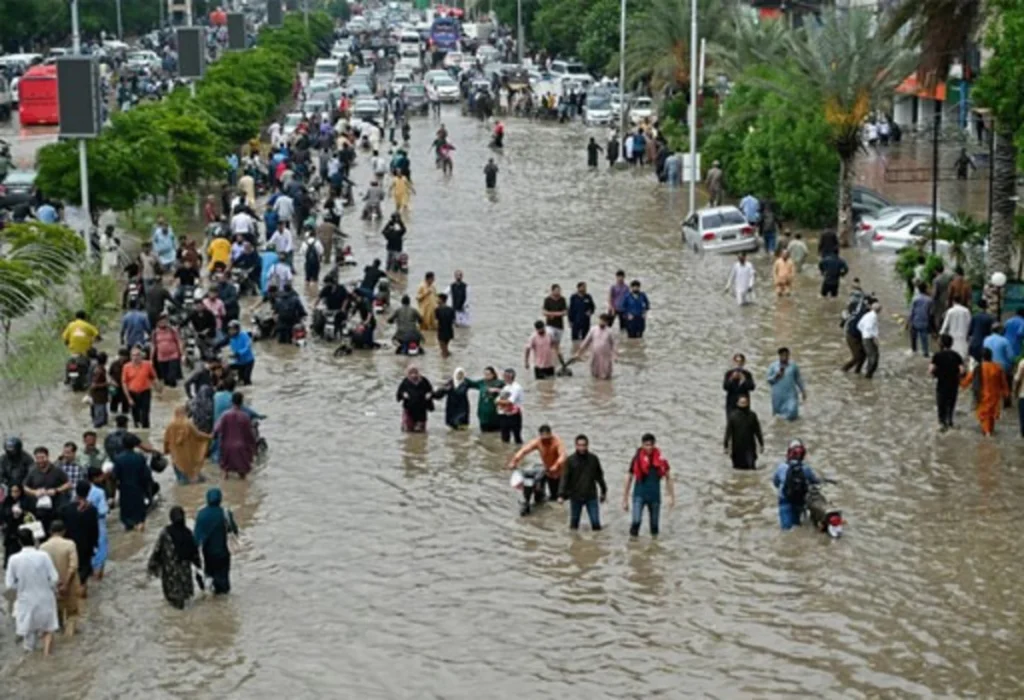
ISLAMABAD: Torrential rains in Karachi have disrupted economic activity, leaving thousands of daily wage earners without income as markets, shops, and restaurants shut down amid waterlogging and flooded streets.
According to a report compiled by The Express Tribune, the heaviest impact of the rain-induced disruption has been borne by labourers and workers who rely on daily earnings to meet household needs. With markets paralyzed, many returned home on Tuesday empty-handed.
Patron-in-Chief of the All Karachi Traders Alliance, Jamal Sehti, said business activity in several major commercial centers — including Liaquatabad, M.A. Jinnah Road, Saddar, Karimabad, Landhi, Korangi, and the Old City area — had been badly affected. Although some shops opened briefly in the morning, stagnant water and deserted streets forced traders to close early. “Daily wage earners suffer the most in such conditions. Many labourers could not find work, and if rains continue, their financial woes will worsen,” Sehti said, calling for a support mechanism to assist vulnerable workers during such crises.
Heavy Rains Pakistan: Flooding Situation in Punjab
Residents echoed these concerns, highlighting the precarious nature of daily wage employment. Sehar Tariq, a vendor from Punjab Colony, said she was unable to sell household items due to the rains and had to borrow from neighbours to arrange meals for her family. “We earn between Rs500 and Rs1,500 a day. Missing even a single day’s work pushes us into debt,” she said.
Delivery riders also faced losses, as restaurants shut down operations due to poor customer turnout. Adnan Ahmed, a food delivery worker, said orders dropped drastically because of flooded streets and closed eateries, leaving riders without any income for the day.
Construction workers, one of the largest segments of Karachi’s informal labour force, were similarly hit. Haji Tasleem, who manages a group of workers from different parts of the country, said most of his team had no option but to remain idle. The sector is particularly vulnerable to weather conditions, with rain halting outdoor projects entirely.
Karachi, Pakistan’s commercial hub, has long struggled with inadequate drainage and poor infrastructure, making it particularly prone to disruption during monsoon rains. Flooded streets not only paralyze trade but also expose systemic challenges in urban planning and municipal governance.
Economists point out that such disruptions highlight the fragility of the city’s informal workforce, which forms the backbone of Karachi’s economy but operates without social safety nets. With an estimated 70% of the city’s workers employed in informal sectors such as construction, vending, and transport, heavy rains and flooding leave them immediately vulnerable to loss of income.
The latest rains come at a time when households are already grappling with inflationary pressures, high food prices, and rising utility costs. Analysts warn that repeated weather-related shutdowns could push many families further into poverty unless urgent support measures are introduced.
Labour activists have long urged authorities to implement emergency relief schemes, such as temporary cash transfers or food assistance, for daily wage earners during natural disasters and seasonal shocks. However, in most cases, support remains limited, leaving workers dependent on borrowing from neighbours, local shopkeepers, or informal lenders to survive.
As Karachi braces for more rain in the ongoing monsoon season, the plight of daily wage earners underscores the urgent need for both immediate relief measures and long-term solutions to address the city’s chronic infrastructure deficiencies. Without such steps, the human cost of each downpour will continue to rise, deepening the struggles of the city’s most vulnerable residents.
For now, thousands of workers like Sehar Tariq and Adnan Ahmed remain uncertain about when they will be able to return to work — a reminder that in Karachi, a day of rain can mean a day without bread.