Govt seeks consultants to study gas losses at Sui firms
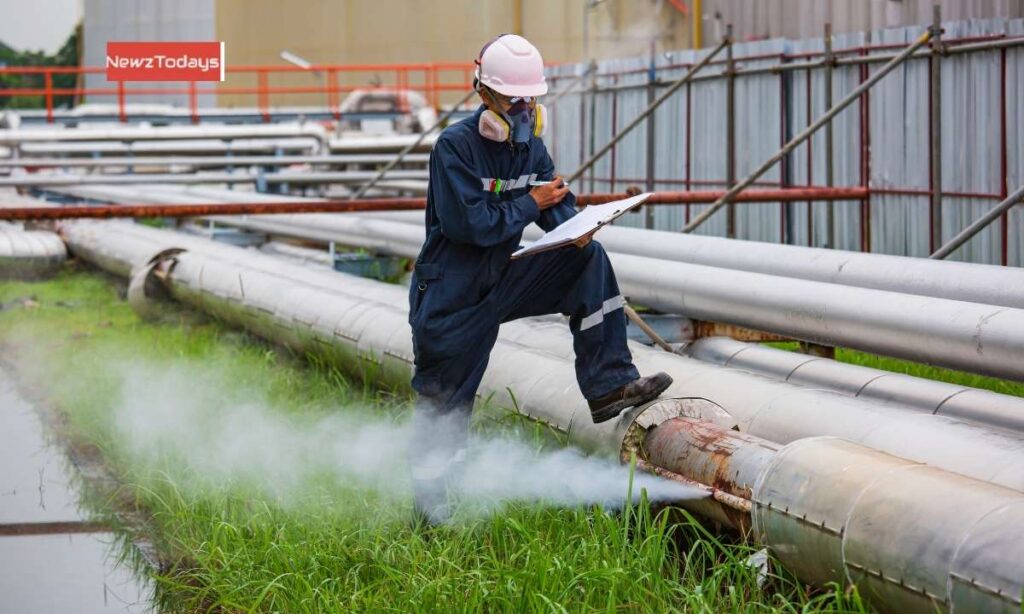
The government has invited consultants to assess unaccounted-for-gas losses at SNGPL and SSGC, with expressions of interest due by October 6, 2025.
The Ministry of Energy (Petroleum Division) has initiated a move to tackle the persistent challenge of unaccounted-for-gas (UFG) losses in Pakistan’s two main gas utilities, Sui Northern Gas Pipelines Limited (SNGPL) and Sui Southern Gas Company Limited (SSGC). The government has sought expressions of interest (EoIs) from consultancy firms to conduct a comprehensive study on the causes, scale, and remedies for UFG, with the submission deadline set for October 6, 2025.Topline Maintains Buy Stance on SNGPL
UFG, a recurring issue in Pakistan’s energy sector, represents the difference between the volume of natural gas purchased and that billed to consumers. Losses arise from multiple factors, including infrastructure degradation, gas theft, inaccurate measurement systems, and operational inefficiencies. According to SNGPL, these persistent losses significantly affect the companies’ financial performance and operational reliability.
Both SNGPL and SSGC operate under licences granted by the Oil and Gas Regulatory Authority (OGRA) and together form the backbone of Pakistan’s gas transmission and distribution system. Addressing UFG has long been a key priority for the government, as the losses inflate consumer tariffs, reduce sector efficiency, and create a burden on the national exchequer.
The government’s latest initiative involves hiring a local lead consultancy firm, which may partner with an international technical consultancy to bring global expertise to the assessment. The local firm will act as the primary coordinator with the Sui companies and the Ministry of Energy. For shortlisting, the combined credentials of both local and international partners will be evaluated.
The scope of the assignment includes assessing and quantifying UFG losses in the gas networks, identifying underlying causes such as theft and corrosion, benchmarking practices against international standards, and recommending tailored solutions suitable for Pakistan. The consultants will also propose a roadmap with measurable outcomes to guide implementation.
Mandatory criteria for selection require the local consultant to demonstrate prior experience in at least one completed UFG or gas losses study, including quantification and cause identification. In addition, firms must show experience in at least one related area such as gas measurement systems, corrosion management, transmission and distribution operations, or network integrity surveys. The Pakistani firm must be registered with the Pakistan Engineering Council (PEC) and relevant tax authorities, while international partners must hold valid registrations in their home jurisdictions.
A declaration of non-involvement in litigation or arbitration is also required, to be provided on non-judicial stamp paper. The government’s emphasis on compliance highlights the seriousness of the effort to ensure transparency and accountability in the selection process.
Pakistan’s struggle with UFG is not new. Historically, UFG levels in the country have far exceeded international benchmarks, where losses typically remain under 2%. In contrast, Pakistan’s UFG has often hovered in double digits, leading to significant annual financial losses for the utilities. Successive governments have announced measures to control UFG, including infrastructure upgrades, anti-theft campaigns, and improved metering technologies, but with limited success.
Experts note that involving international technical expertise may provide fresh insights into tackling the problem, particularly in areas such as advanced leak detection, smart metering, and network integrity management. Neighboring countries with similar distribution challenges, such as India and Bangladesh, have made measurable progress by adopting global best practices, offering models Pakistan could adapt.
The upcoming study is expected to provide a data-backed analysis that could shape future regulatory and operational reforms. For consumers, reduced UFG would eventually translate into more stable tariffs and improved supply reliability. For the utilities, it would mean stronger financial viability and reduced dependence on government subsidies.
By inviting top-tier consultants, the government aims to bridge the gap between diagnosis and actionable solutions in a sector that remains critical for Pakistan’s energy security. Whether the initiative leads to lasting improvements will depend on both the recommendations of the consultants and the political will to enforce them.