Chevron invests $30m in Pakistan oil sector
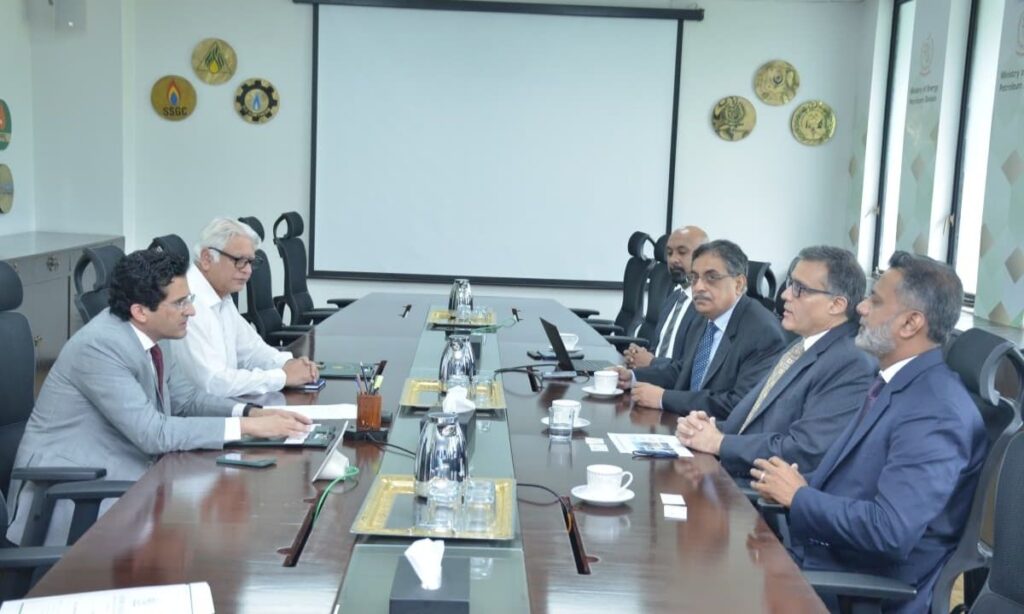
Chevron has invested $30 million to establish a modern lubricants blending plant in Pakistan, a move welcomed by Federal Minister for Petroleum Ali Pervaiz Malik.
Chevron has committed $30 million to Pakistan’s oil sector by setting up a fully automated lubricants blending plant, strengthening its market presence and signaling long-term confidence in the country’s economy. Federal Minister for Petroleum Ali Pervaiz Malik on Thursday welcomed the investment during a meeting with Chevron Pakistan’s CEO and Country Chairman Ahmed Zahid in Islamabad.Oil Demand Rises Despite Furnace Oil Decline
Chevron, one of the world’s leading US-based energy multinationals, currently sells around 70 million litres of lubricants annually in Pakistan, catering to both industrial and automotive customers. The new plant is expected to enhance supply efficiency, introduce advanced technology, and improve the quality of products available to domestic markets.
Minister Malik commended Chevron’s decision, emphasizing that such investments bring international standards to Pakistan’s oil sector and support broader economic growth. “The Government of Pakistan is committed to providing a conducive environment for businesses to thrive. We appreciate Chevron’s continued faith in Pakistan and assure you of our full support and facilitation for your operations,” he said. He further underlined that technology transfer and job creation remain central benefits of foreign direct investment in the petroleum industry.
Ahmed Zahid noted that Chevron remains confident about Pakistan’s market potential. He expressed appreciation for the government’s encouragement, saying the company looked forward to further expanding its footprint and contributing to economic development. “Chevron is confident about business in Pakistan. We are encouraged by the government’s support and look forward to further expanding our footprint,” Zahid remarked.
The announcement comes at a critical time for Pakistan’s energy sector, which has faced recurring challenges including supply chain disruptions, rising import bills, and currency pressures. Attracting foreign investment has been a key priority for the government as it seeks to modernize infrastructure and reduce dependency on expensive fuel imports.
Foreign direct investment in Pakistan’s oil and gas industry has historically played a pivotal role in improving technology access, refining capacity, and employment. Multinationals such as Shell and Total have previously operated blending plants and marketing networks, though their market share has fluctuated due to regulatory hurdles and economic volatility. Chevron’s fresh commitment signals renewed confidence at a time when Pakistan is attempting to stabilize investor sentiment.
Energy experts highlight that lubricants, while a smaller segment compared to crude oil imports, are vital for industrial machinery, transport fleets, and power generation. Establishing a blending facility locally reduces reliance on imports of finished products, lowering costs for businesses and ensuring consistent quality control. Analysts note that this could help Pakistan save foreign exchange while fostering technical skill development among local workers.
Pakistan’s demand for lubricants has grown steadily in recent years, driven by a rising number of vehicles, industrial expansion, and infrastructure projects. According to market estimates, the country consumes more than 400 million litres annually, with multinational companies competing alongside domestic brands. Chevron’s automated facility positions it to capture a larger share of this growing demand while aligning with government priorities for industrial modernization.
The Ministry of Petroleum has indicated it will continue to engage with global energy companies to encourage further investment. Officials believe that consistent policy, regulatory clarity, and infrastructure development are crucial to sustaining foreign investor confidence. In this context, Chevron’s investment is being seen as a positive signal for other international players considering entry or expansion in Pakistan’s energy market.
Minister Malik concluded that Pakistan’s energy security requires not only large-scale oil and gas exploration projects but also smaller, targeted investments that boost industrial competitiveness. Chevron’s $30 million plant, he said, represented a step in that direction.
Chevron’s move underscores the growing importance of Pakistan in the global energy supply chain and highlights the government’s efforts to strengthen partnerships with multinational corporations. As the lubricants blending plant comes online, it is expected to contribute not only to Pakistan’s industrial growth but also to long-term investor confidence in the country’s oil sector.