River Flows Stable as Tarbela and Mangla Reservoirs Near Full Levels
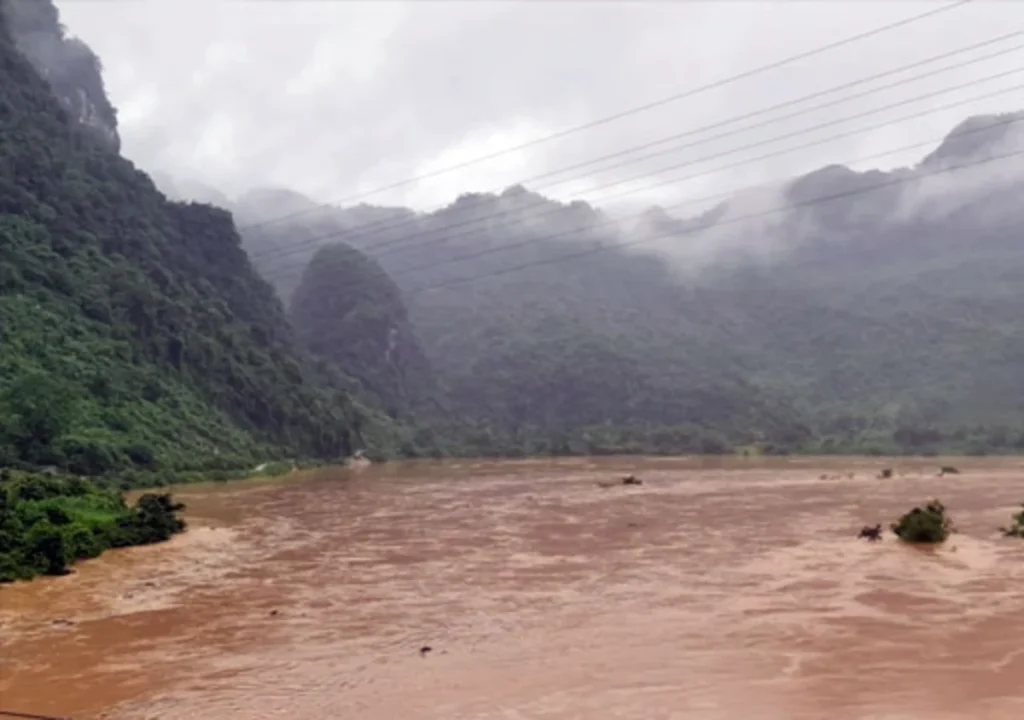
Pakistan’s key reservoirs at Tarbela and Mangla are approaching full conservation levels as river inflows remain strong, ensuring stable water supplies for irrigation and power generation.
Pakistan’s major rivers and reservoirs reported strong inflows on September 8, 2025, with Tarbela and Mangla dams nearing maximum conservation levels, according to official data. The steady water availability across the Indus basin highlights a critical period for irrigation, agriculture, and hydropower generation as the country enters the late monsoon season.Pakistan restores electricity for 1.4m flood-hit consumers
At Tarbela on the Indus River, inflows were recorded at 150,200 cusecs while outflows stood at 149,800 cusecs. Tarbela’s reservoir has now reached its peak conservation level of 1,550 feet, with live storage at 5.728 million acre-feet (MAF). This ensures that the dam, Pakistan’s largest multipurpose water project, is operating at full capacity for both power generation and irrigation releases.
The Mangla reservoir on the Jhelum River reported inflows of 50,000 cusecs and outflows of 9,000 cusecs. Mangla’s storage levels have risen to 1,232.05 feet against a maximum conservation level of 1,242 feet, with live storage reaching 6.497 MAF. The reservoir, which is critical for Punjab’s agriculture and hydropower generation, remains close to capacity as monsoon inflows persist.
At Chashma, a key control point downstream on the Indus, inflows were measured at 225,600 cusecs and outflows at 194,100 cusecs. The reservoir stood at 649 feet — the maximum conservation level — with live storage of 0.311 MAF. The steady regulation at Chashma ensures controlled releases to downstream barrages while preventing excessive flooding risk.
Across other river monitoring points, inflows and outflows remained largely balanced. At Khairabad Bridge on the Indus, flows were steady at 158,300 cusecs. The Kabul River at Nowshera registered inflows and outflows of 25,200 cusecs, while the Chenab at Marala carried inflows of 84,800 cusecs against outflows of 82,300 cusecs.
The country’s barrage network also reported robust water availability. At Jinnah Barrage, inflows were 186,200 cusecs and outflows 179,200 cusecs. Taunsa Barrage saw inflows of 227,400 cusecs and outflows of 217,400 cusecs. Guddu Barrage, which channels water to Sindh’s irrigation network, registered strong inflows of 401,600 cusecs with outflows at 380,900 cusecs.
Further downstream, Sukkur Barrage reported inflows of 340,800 cusecs and outflows of 311,700 cusecs, while Kotri Barrage near Hyderabad recorded inflows of 236,100 cusecs and outflows of 231,800 cusecs. In southern Punjab, Trimmu and Panjnad barrages both registered inflows and outflows above 450,000 cusecs, reflecting high river levels during this stage of the monsoon.
The reservoir levels at Tarbela, Mangla, and Chashma are critical indicators for Pakistan’s water security. Tarbela, with its live storage of 5.728 MAF, provides essential irrigation water for Khyber Pakhtunkhwa, Punjab, and Sindh while also supplying hydropower to the national grid. Mangla, with 6.497 MAF of storage, plays a key role in meeting Punjab’s irrigation demand and supplementing power supply. Chashma, though smaller, serves as a balancing reservoir and an important regulating structure in the Indus system.
Water managers gauge these inflows and outflows carefully during September, as the country transitions from the peak monsoon period to the start of the Rabi cropping season. Adequate storage at reservoirs ensures water availability for wheat sowing in October while also supporting hydropower generation to meet electricity demand.
Historically, low water levels in reservoirs have led to irrigation shortages and power shortfalls, particularly during the dry winter months. However, the present report suggests Pakistan is entering the post-monsoon season with healthy reservoir levels.
The Indus River System Authority (IRSA) has emphasized that maintaining optimal reservoir storage is crucial not only for irrigation but also for stabilizing the energy sector. Hydropower plants at Tarbela and Mangla together contribute significantly to Pakistan’s electricity mix, providing a cheaper alternative to imported fuel generation. With reservoirs at near-full levels, power generation capacity from hydropower is expected to remain strong in the coming weeks.
Inflow and outflow measurements at key points such as Tarbela, Jinnah, Chashma, Mangla, and Nowshera are reported as mean flows over 24 hours, while other sites are gauged at 6 a.m. daily. This monitoring ensures consistent regulation of river flows, balancing flood control with water storage for future use.
The current figures highlight both the opportunities and challenges facing Pakistan’s water sector. While reservoir levels are strong in September 2025, experts warn that efficient water use, better canal management, and infrastructure upgrades are essential to maximize the benefits of storage. With rising population pressures and climate change impacting rainfall patterns, the sustainability of water resources remains a long-term concern.
As of today, however, Pakistan’s river flows and reservoir levels stand at favorable positions, offering reassurance for agriculture, power generation, and water management authorities as the monsoon season draws to a close.
The stability of Tarbela and Mangla reservoirs underscores the importance of continued monitoring and careful regulation to meet the country’s competing demands for irrigation, electricity, and flood protection.