Kazakhstan offers Pakistan port terminal for global exports
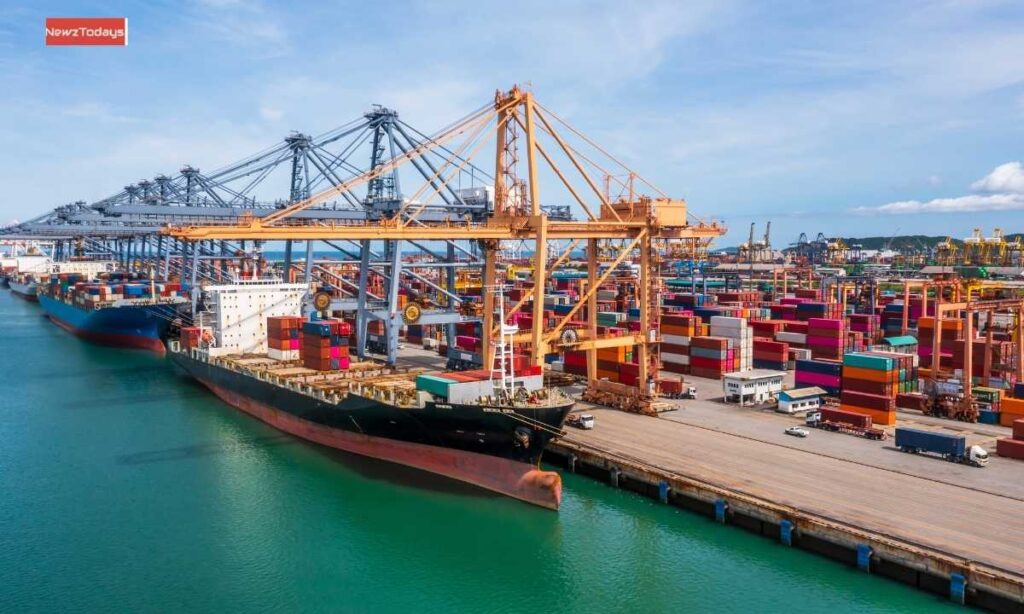
Kazakhstan has offered Pakistan the opportunity to set up a terminal at a Pakistani port for exporting goods to European and American markets.
Kazakhstan seeks wider maritime access through Pakistani ports as both countries explore joint ventures and logistics cooperation.
Pakistan and Kazakhstan are moving toward closer economic cooperation with plans to establish joint ventures at Karachi and Gwadar ports, aiming to strengthen regional trade connectivity and provide landlocked Central Asia with access to global markets.Sea Food Export surges to $489.2m
In a meeting held in Islamabad on September 2, Federal Minister for Maritime Affairs Muhammad Junaid Anwar Chaudhry and Kazakh Ambassador Yerzhan Kistafin discussed expanding bilateral collaboration in the maritime sector. Minister Chaudhry emphasized the potential of Gwadar’s free zones and Karachi’s long-standing role as Pakistan’s main seaport, urging Kazakhstan to capitalize on Pakistan’s strategic port infrastructure.
The Kazakh ambassador welcomed the proposals, noting that Kazakhstan is actively seeking transit solutions that would allow it to reach the Persian Gulf, Africa, and Southeast Asia. He said the use of Pakistani ports could benefit not only Kazakhstan but the wider Central Asian region, which faces logistical hurdles due to its landlocked geography.
As part of the evolving partnership, Kazakhstan’s Communication Minister, who also oversees maritime affairs, will lead a ministerial delegation to Pakistan in the coming weeks. The visit is expected to focus on maritime trade facilitation, port operations, and logistics cooperation, with an eye on concrete agreements for future ventures.
Minister Chaudhry underscored the importance of Pakistani ports in regional connectivity frameworks, describing them as gateways for Central Asian countries that lack direct maritime access. He noted that Pakistan’s maritime sector is adopting modern approaches and forging global partnerships to transform into a hub for international commerce.
The prospect of Kazakhstan leveraging Gwadar port carries geopolitical significance, as the deep-sea facility in Balochistan has been developed under the China-Pakistan Economic Corridor (CPEC) and already plays a growing role in regional trade. By integrating Kazakhstan into this network, Pakistan could strengthen its position as a strategic trade corridor between South Asia, Central Asia, and beyond.
Historically, landlocked Central Asian republics have relied heavily on Russian and Chinese routes for their external trade. However, diversification through Pakistan’s ports offers them shorter access to international waters. Analysts note that this could lower transportation costs and reduce dependence on single trade corridors, giving Kazakhstan more flexibility in global trade engagement.
For Pakistan, closer maritime collaboration with Kazakhstan aligns with its broader strategy of expanding regional trade ties and positioning Gwadar and Karachi as major nodes in the blue economy. This partnership could also complement initiatives within the Shanghai Cooperation Organisation (SCO), where both countries are active members committed to fostering regional connectivity.
Business communities in both countries are expected to benefit from such collaboration. Kazakhstan, rich in oil, gas, and minerals, could use Pakistani ports for exports, while Pakistan would gain from increased cargo traffic, port revenues, and investment in logistics infrastructure.
The maritime minister stressed that Pakistan’s vision goes beyond bilateral trade, aiming to serve as a trade bridge for the entire Central Asian region. By offering port access and logistical support, Pakistan seeks to strengthen its role in linking Asia with Middle Eastern and African markets, contributing to economic integration across regions.
The upcoming Kazakh delegation visit will be a decisive step in translating discussions into practical agreements. If successful, it could pave the way for expanded trade routes, diversified logistics networks, and stronger diplomatic ties between Islamabad and Astana.
Concluding the meeting, both sides reiterated their shared commitment to enhancing maritime cooperation, with Pakistan positioning its ports as vital gateways for Central Asia’s entry into the global trading system.