PNSC adds two Aframax tankers, fleet grows to 12 ships
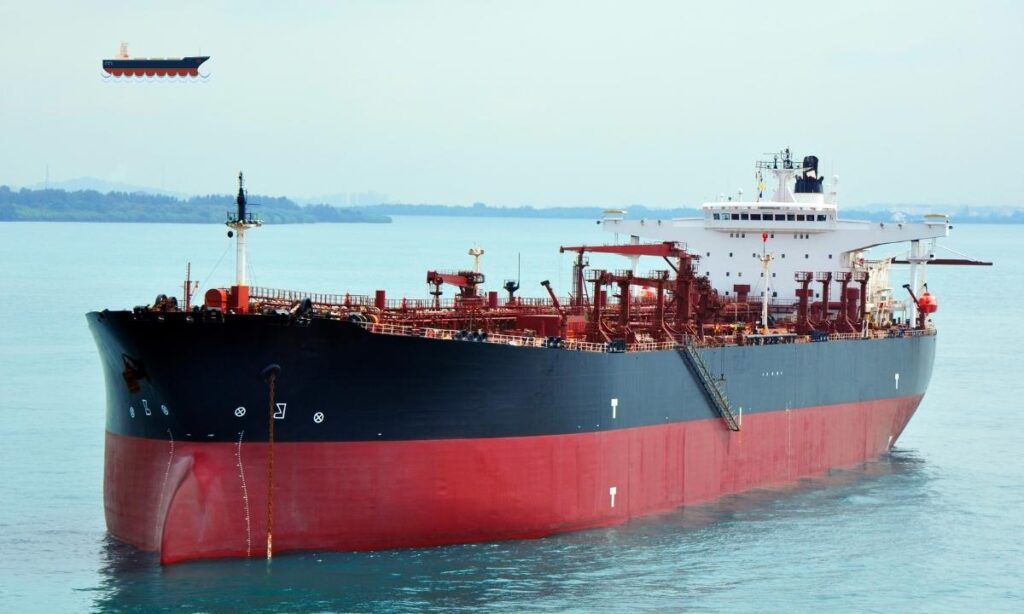
Pakistan National Shipping Corporation expands fleet with Aframax tankers to boost energy security and reduce reliance on foreign shipping.
Pakistan National Shipping Corporation (PNSC) has expanded its fleet with the induction of two Aframax tankers, taking the total number of ships from ten to twelve. The announcement was made during a briefing given to Minister for Maritime Affairs Muhammad Junaid Anwar Chaudhry, who underlined the development as a critical step in enhancing Pakistan’s energy security and cutting dependence on foreign shipping lines.
Chaudhry revealed that the government has set a target to increase the national maritime fleet to twenty vessels by the end of this year. He explained that the newly added Aframax tankers would play a vital role in transporting crude oil and petroleum products, which constitute the backbone of Pakistan’s energy imports.PNSC to secure $700M in freight earnings
The expansion, he stressed, is not only a strategic investment for safeguarding energy supply chains but also a crucial measure for conserving foreign exchange reserves. “By reducing reliance on foreign shipping, Pakistan can save valuable foreign exchange,” Chaudhry said, pointing out that Pakistan pays approximately $4.6 billion annually in freight charges to foreign shipping companies.
Energy imports form a significant portion of Pakistan’s external payments, with oil and gas being critical to powering its industries, transport, and electricity generation. The minister said the induction of new vessels would allow PNSC to handle rising demand more effectively, particularly as Pakistan’s energy needs continue to grow amid economic and industrial expansion.
Aframax tankers, with a typical capacity of 80,000 to 120,000 deadweight tons (DWT), are commonly used for transporting crude oil and refined petroleum products. Their addition to the PNSC fleet is expected to not only reduce Pakistan’s shipping costs but also provide greater control over the supply chain of vital commodities. Industry experts note that having a stronger national fleet also insulates the country against potential global shipping disruptions, such as those witnessed during the COVID-19 pandemic and recent supply chain crises triggered by geopolitical conflicts.
Chaudhry emphasized that expanding the fleet aligns with the government’s broader vision of strengthening Pakistan’s maritime sector, which plays a vital role in trade and commerce. Pakistan’s geographical position along key international trade routes offers it the potential to become a regional shipping and logistics hub, a goal that has been part of long-term policy planning. However, the country has historically struggled with limited national shipping capacity, leaving it dependent on foreign operators.
The minister urged PNSC to accelerate efforts in exploring new business opportunities both domestically and internationally. He noted that an expanded fleet would not only serve national energy needs but also enhance Pakistan’s competitiveness in the global shipping market, enabling PNSC to secure freight contracts beyond the country’s borders.
Pakistan’s maritime sector has seen several attempts at expansion in the past, but capacity has remained modest compared to regional peers. India, for example, maintains a much larger merchant fleet and a robust shipbuilding industry. Analysts believe that unless Pakistan complements PNSC’s fleet expansion with investments in shipbuilding, repair facilities, and port infrastructure, the long-term benefits may remain limited.
Nonetheless, the current expansion marks one of the largest fleet growth efforts by PNSC in recent years. The inclusion of Aframax tankers adds significant tonnage capacity and positions the corporation to handle a larger share of the country’s energy transport requirements. The initiative also coincides with broader government measures to improve port efficiency, expand Gwadar Port under the China-Pakistan Economic Corridor (CPEC), and encourage greater private sector participation in maritime logistics.
The move is expected to have a ripple effect across the economy. With reduced dependence on foreign freight services, Pakistan could improve its balance of payments position while lowering import costs for petroleum and energy products. Over time, this may help stabilize domestic fuel prices and contribute to economic resilience.
As Pakistan continues to face economic pressures from rising energy imports and foreign exchange shortages, the strengthening of the national shipping fleet represents both an economic and strategic step forward. Chaudhry reiterated that by year’s end, the government remains committed to achieving the twenty-vessel target, which would mark a doubling of the fleet within a short period.
The expansion of Pakistan National Shipping Corporation’s fleet through the addition of Aframax tankers underscores a broader policy priority of ensuring energy security while reducing reliance on foreign shipping. As the country moves towards a more self-reliant maritime framework, the new vessels are expected to serve as a cornerstone of future growth and resilience in Pakistan’s shipping and trade sectors.